
Baked Potato Breakdown: Calories, Carbs, And Key Nutrients
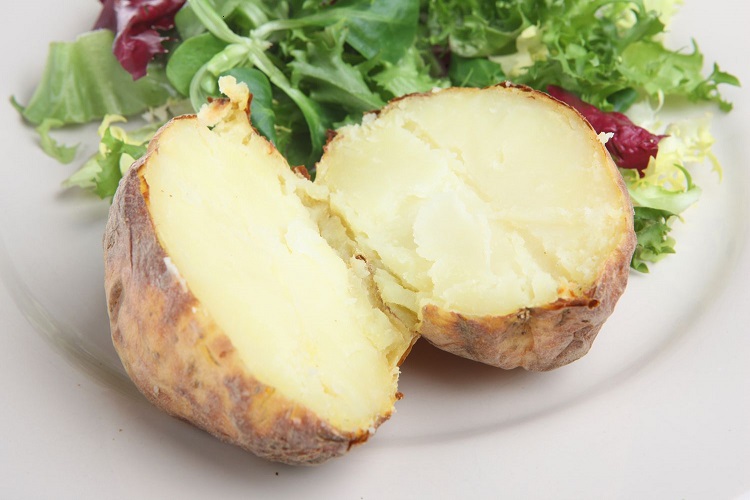
Whether you enjoy them baked, mashed, or roasted, potatoes are a staple in many households. There are many ways to cook potatoes, but the baked potato is one of the easiest and healthiest. It can be a healthy part of any meal. Understanding the nutrition in baked potato reveals that it offers a rich source of vitamins, minerals, and fiber, making it a valuable addition to any healthy eating plan. In this article, we’ll break down the nutritional profile of a baked potato, including its calorie count, carbohydrate content, and key nutrients.
Table of Contents
1. Calories In A Baked Potato
The calorie content of a baked potato depends on its size, but a medium-sized baked potato (approximately 150 grams) typically contains around 110 calories. This makes baked potatoes a relatively low-calorie food, especially when compared to other starchy foods. To control their calorie intake without giving up fullness or satisfaction, people should eat a baked potato because it gives them a satisfying serving of food for not too many calories.
The beauty of the baked potato is that it’s a naturally low-calorie food. However, the way you prepare and top your potato can significantly impact its total calorie count. For instance, adding sour cream, cheese, butter, or bacon can quickly raise the calorie content. To keep your baked potato healthier, try using lighter toppings such as plain greek yogurt, chives, or a sprinkle of cheese.
2. Carbohydrates In A Baked Potato
Carbohydrates, which make up most of potatoes, are a good source of energy. Around 37 grams of carbs can be found in a medium-sized baked potato. These carbs are primarily starch, a complex carbohydrate that the body digests slowly. Because digestion is slow, energy is released slowly, which helps keep blood sugar levels stable.
The complex carbohydrates in baked potatoes are digested more slowly than the simple carbohydrates in sugary foods. This helps you feel fuller for longer. The fiber in potatoes also helps your body digest food and can help you control your blood sugar better. Potatoes with the skin on them are particularly rich in fiber, so it’s beneficial to eat the potato with its skin for maximum nutrition.
3. Dietary Fiber: A Key Nutrient In Baked Potatoes
One of the most notable nutrients in a baked potato is fiber. About 2 to 4 grams of fiber can be found in a medium-sized baked potato with the skin still on. Fiber in the diet is important for digestive health because it helps keep cholesterol levels healthy and regular bowel movements. Fiber also makes you feel full, which makes it a useful ingredient for people who want to control their weight or appetite.
4. Vitamins And Minerals In A Baked Potato
You can get a lot of important vitamins and minerals from baked potatoes, which makes them a healthy food choice.
- Vitamin C: Antioxidant vitamin C supports the immune system, maintains healthy skin, and facilitates the body’s absorption of iron from plant-based diets. A medium-sized baked potato has about 30% of the daily recommended amount.
- Vitamin B6: Vitamin B6 is found in large amounts in baked potatoes. To keep your brain healthy, make red blood cells, and turn food into energy, you need this vitamin. Another thing that vitamin B6 does is help keep your nervous system healthy.
- Potassium: One of the best places to get potassium is from potatoes. A medium-sized baked potato gives you about 20% of your daily potassium needs. Potassium helps regulate fluid balance, nerve function, and muscle contractions. It’s also very important for keeping blood pressure in a healthy range.
- Iron: Though potatoes are not as rich in iron as meat or legumes, they still provide a modest amount of this important mineral. Iron is needed to make hemoglobin, which is what moves oxygen around the body.
5. Antioxidants In Baked Potatoes
Baked potatoes also contain a variety of antioxidants, which help protect the body from oxidative stress caused by free radicals. Unstable molecules called free radicals can hurt cells and play a part in long-term illnesses like cancer and heart disease.
Potatoes, particularly colorful varieties like purple or red potatoes, contain high levels of antioxidants called flavonoids and carotenoids. It has been shown that these antioxidants can help lower inflammation, make the heart healthier, and maybe even protect against some types of cancer.
Conclusion
Baked potatoes are a nutrient-rich, low-calorie food that offers a variety of health benefits. They have a lot of fiber, which is good for your digestive system, and important vitamins and minerals, like potassium, Vitamin C, and Vitamin B6. When prepared healthily, they can be a filling and satisfying addition to your diet.




Leave a reply
You must be logged in to post a comment.


