
Why Cardiologists Recommend Lifestyle Changes To Improve Heart Health
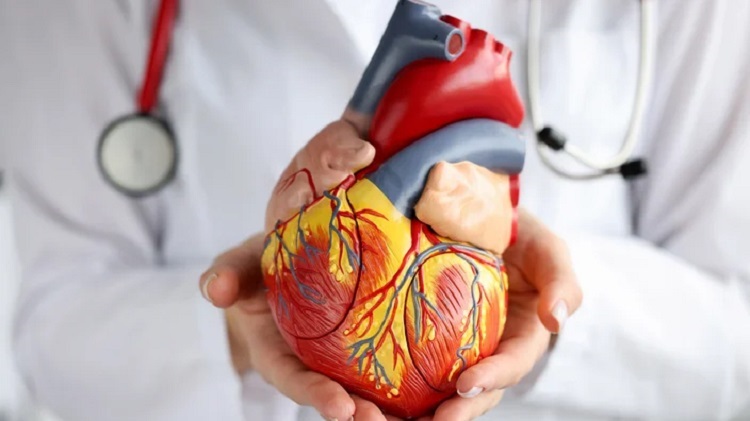
Heart disease, the leading cause of death worldwide, affects millions of people every year. Genetics and age do play a part in cardiovascular health. However, lifestyle changes can help reduce or eliminate many risk factors. Cardiologists specializing in diagnosing and treating cardiovascular conditions stress the importance of a heart-healthy lifestyle. In this article, we will discuss why cardiologists advocate lifestyle changes for heart health.
Table of Contents
Comprehending Heart Disease & Its Risk Factors
Heart disease covers a wide variety of conditions that can affect the heart. This includes coronary heart disease, arrhythmias, heart attacks, and heart failure. The main causes of cardiovascular disease are lifestyle-related. These include poor nutrition, lack of exercise, excessive alcohol intake, chronic stress, and smoking. Diabetes, high blood pressure, and high cholesterol also increase risk.
Many of these risk factors are modifiable. Cardiologists emphasize that they should be addressed early because they are often not symptomatic. Individuals may not even realize they have an underlying risk until a serious heart condition occurs. Lifestyle changes are important here. They can help reduce these risk factors and improve heart health.
Dietary Factors In Cardiovascular Health
One of the cardiologists ‘ most important lifestyle recommendations is adopting an eating plan that promotes heart health. Maintaining a heart-healthy lifestyle requires eating food that is both nutritious and well-balanced. Denver cardiologists encourage patients to make the following diet changes:
- Eating more fruits and veggies: Fruits are rich in antioxidants, vitamins, and minerals. They reduce cholesterol, improve blood pressure, and promote overall heart health.
- Selecting Healthy Fats: Avocados and olive oil are unsaturated fats that are healthier than saturated fats in processed meals, red meat, and butter. Limiting saturated oils can reduce your risk of atherosclerosis. Atherosclerosis is caused by fatty deposits in the arterial walls.
- Consuming Grains: Oats, brown rice, and quinoa are all high in fiber. This helps lower cholesterol, regulate blood sugar, and reduce the risk of heart disease.
- Reducing Sugar Intake: Excessive sugar in the diet is also a factor in heart disease. Cardiologists recommend limiting processed foods and adding less salt to your meals. Similarly, sugary drinks and foods are linked to heart disease and weight gain.
Regular Physical Exercise Is Important
Exercise is an important part of living a heart-healthy lifestyle. Cardiologists recommend frequent exercise for people of all ages to lower risks, maintain a healthy weight, and enhance cardiovascular health. The following are the major benefits of physical activity for heart health.
- Improves Circulation: Regular exercise improves heart efficiency and circulation. This improves the delivery of oxygen and nutrients throughout the body.
- Lowers Cholesterol: Exercise increases HDL (high-density Lipoprotein) levels, the good cholesterol, while lowering LDL (low-density Lipoprotein), the bad cholesterol.
- Weight Management: Obesity has been linked to heart disease. Exercise helps maintain a healthy diet and weight, which reduces the strain on the heart and improves overall health.
- Exercise Reduces Anxiety: Exercise reduces cortisol, a stress hormone. Endorphins are released during exercise, helping to improve mood. Exercise can also reduce chronic stress and improve heart health.
Cardiologists suggest that you engage in at least 150 minutes of moderate-intensity exercise each week, such as walking, swimming, or cycling. Combining cardio exercises with strength exercises twice weekly will help improve your heart health.
Quitting Smoking Is A Great Way To Reduce Stress
Smoking is the number one habit that can harm your heart. Smoking damages the heart, increases blood pressure, contributes to atherosclerosis development, and raises blood-oxygen levels. Cardiologists urge smokers to quit as quickly as possible to reduce their risk of heart disease.
If you are having difficulty quitting, your cardiologist may recommend counseling, nicotine replacement therapy, and support programs to help with withdrawal symptoms and cravings. Even after quitting, your heart will begin to recover. Your risk of heart disease will decrease over time.
Conclusion
Lifestyle changes have a profound, long-lasting impact on the heart. This is why cardiologists recommend them. Adopting good dietary practices, regular exercise, stopping smoking, controlling stress, and keeping a healthy weight may greatly lower the risk of heart disease. Over time, these small changes can dramatically improve overall health.
Individuals can control their heart health by following the advice of their doctors. They will live longer and healthier lives. It’s important to start early and stay consistent. Make gradual changes that suit your lifestyle. Remember that your heart’s well-being is in control, and your choices today can contribute to a healthier future.




Leave a reply
You must be logged in to post a comment.


